Our approach combines user research, service design, experience design and rapid prototyping to identify the right problems to solve, understand the wider service context and reduce delivery risk. Whether you’re planning a new service, enhancing an existing service, or shaping an MVP for investment or procurement, we work with you to build clarity, confidence, and consensus from the start.
By grounding every decision in evidence, real-world behaviour, service context, usability and patient safety, we help you deliver digital health services that work in the real world — not just on paper.
Understanding Research and Design in Digital Health
Designing services for healthcare isn’t like designing for other sectors. Clinical environments are complex. Patient, clinical, operational and organisational needs are interconnected and often competing. Systems must be intuitive, compliant, and safe — often simultaneously.
That’s why we take a research-led approach to discovery and design. We bring together service designers, UX/UI specialists, healthcare technologists, and clinical stakeholders to understand the problems worth solving and co-design services around the people, workflows and environments affected by them.
Whether you’re working with clinicians, patients, NHS administrators, or third-party partners, we focus on uncovering real needs and translating them into viable, safe and sustainable service and technology decisions. Our team has worked across primary care, secondary care, mental health, social care, and public health settings — giving us a deep understanding of the ecosystem your service needs to live in.
Our Research and Design Process
Every engagement begins by building a shared understanding of the problem before defining the solution. We facilitate workshops, interviews, and stakeholder mapping sessions to understand current workflows, pain points, opportunities, assumptions, risks, and clinical, operational, technical and regulatory constraints. We assess the wider service context to ensure the solution supports — not disrupts — existing care delivery.
From there, we map end-to-end journeys, service dependencies, handoffs, failure points and experience flows that reflect how people will actually interact with the service. These insights guide the progressive design of service concepts, interactions and interfaces, where we translate research insights into elegant, accessible, and compliant human-centred services.
We create interactive prototypes and test them early with users, using AI-enabled tools where appropriate to accelerate exploration and prototyping, while keeping design decisions grounded in human evidence, clinical context and professional judgement.
We consider accessibility, clinical safety, governance and regulatory requirements from the outset, producing evidence for NHS DTAC, DCB0129 and clinical safety assessments where required.
Benefits of Investing in Human-Centred Design
Human-centred design reduces uncertainty before and during delivery, helping organisations make better decisions about what to build, how it should work and how it will operate in practice. In healthcare, good design is about more than aesthetics — it’s about clinical safety, usability, trust and creating services that work for real users.
A well-researched and validated design helps ensure:
- Stakeholders — from users to governance boards — are engaged early
- The service reflects real patient, clinical, operational and organisational needs
- The right problem is understood before significant delivery investment is made
- Service dependencies, handoffs and operational impacts are understood before build
- Interfaces are designed to be usable under pressure and in varied contexts
Through investing in research and design, you lay a strong foundation for a service that’s not only technically sound but clinically useful and ready for the NHS landscape.

Why Choose 6B for Research and Design?
At 6B, we bridge the gap between discovery and delivery. We don’t treat research and design as a handover stage. Our work creates shared understanding, reduces uncertainty and gives product, technical, clinical and delivery teams a clear evidence base for what happens next.
We’ve helped startups define market-ready MVPs, supported NHS Trusts in reimagining digital pathways, and worked with national bodies on compliant, patient-centred interfaces. We work in multidisciplinary teams, iterating between research, design, technical feasibility, clinical evidence and operational reality.
We combine human-centred design with clinical, technical and delivery expertise, helping ensure services are not only desirable to users but safe, viable and workable in the environments they must operate in.
Selected Research and Design Case Studies
Explore how we’ve partnered with health and care organisations to deliver research and design projects that solve complex challenges and drive measurable impact.

NHS Staffordshire and Stoke-on-Trent ICB
Transforming GP Data Integration for Population Health Management
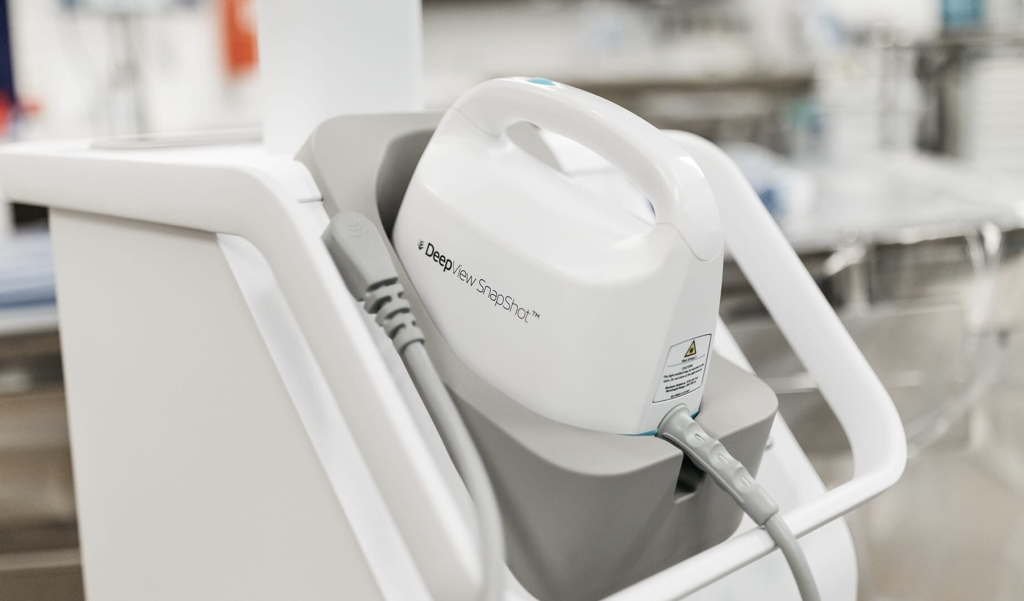
Spectral AI
Integrating AI Wound Imaging with Hospital EPR Systems

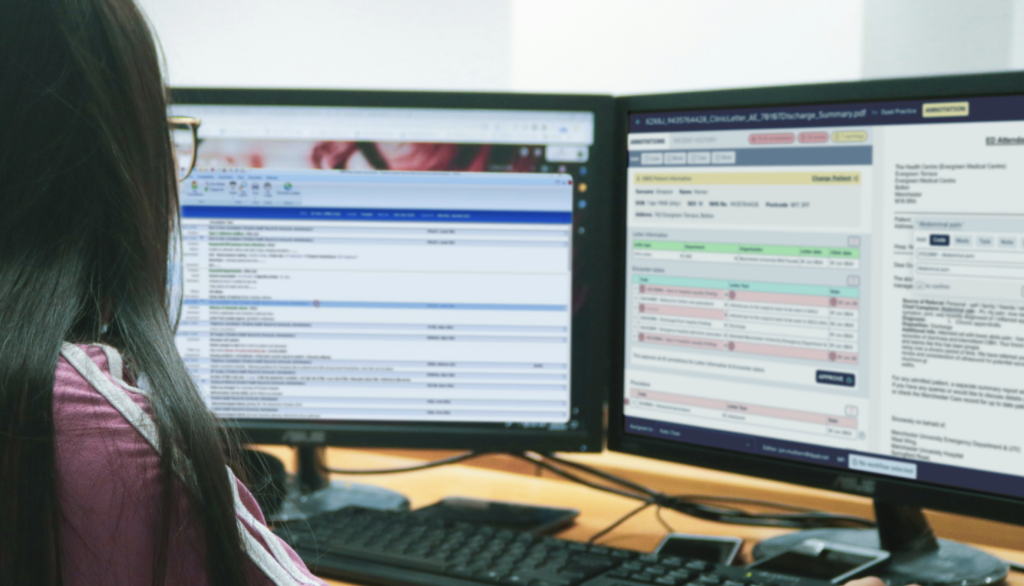
NHS South Yorkshire ICB
AI Software to Automate Primary Care Communications
Dyad
Accelerating Heart Diagnostics Through EMIS Integration
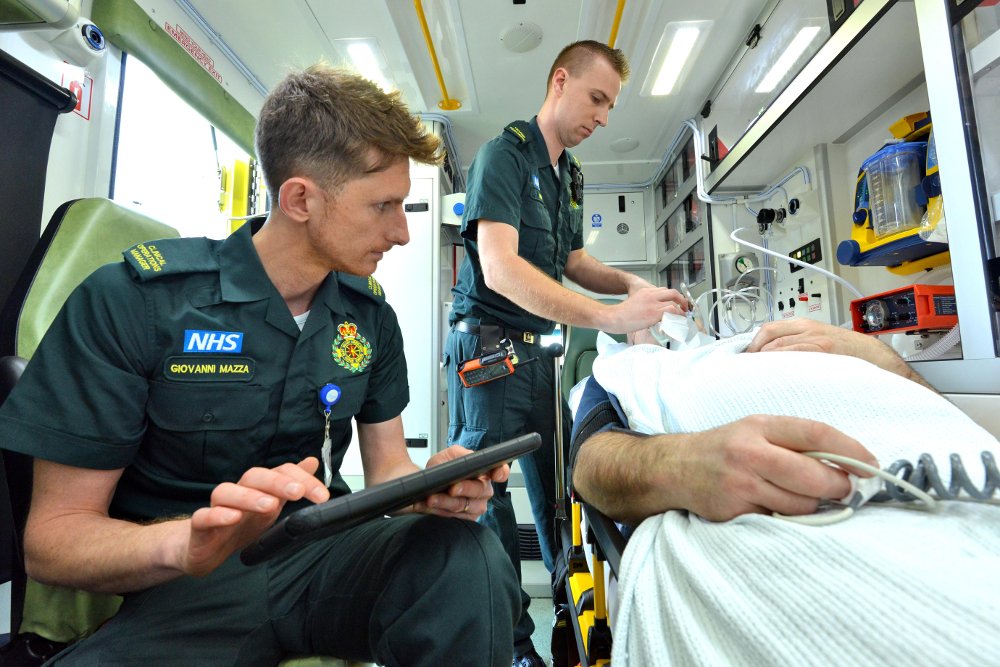
Tritos Medical
Building the Technical Foundation for a Pre-Hospital Emergency Reporting Solution through Epic Integration
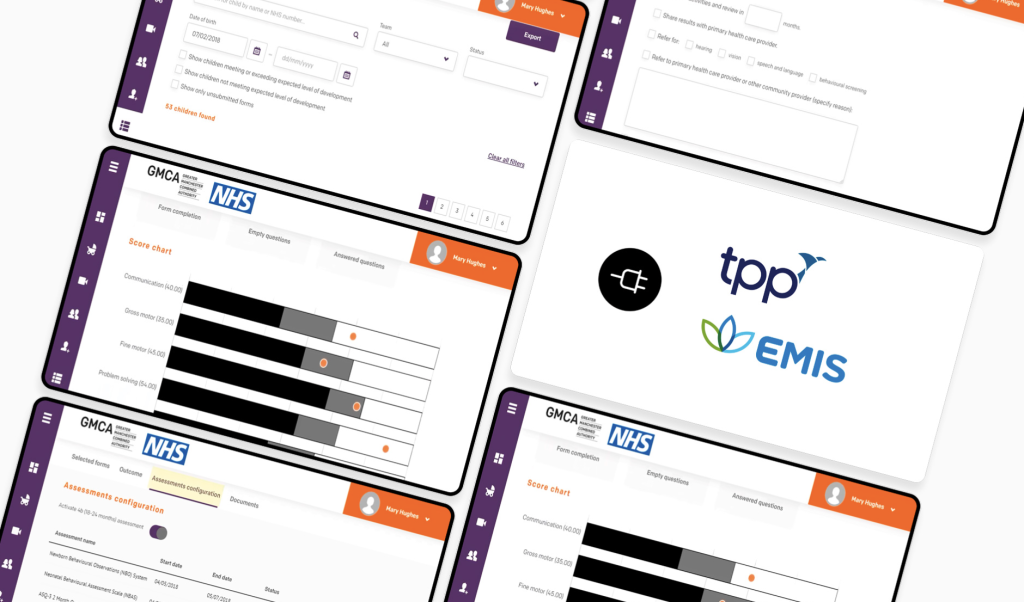
Greater Manchester Combined Authority
Integrating GMCA’s Early Years Service with EMIS and SystmOne
Estimate the Cost of Your Research and Design Project
Please answer a few questions to help our digital health consultants accurately assess your needs and calculate a personalised quote quicker.
1
2
3
4
5
6
7
8
9
10
11
12
13
Thank you for your request! 🙌 We will review your project and get back to you within 24 hours to share a ballpark estimate.
Want to speak to someone today? Call 6B on 0113 350 1290.
Readiness checklist for Research and Design
- Clarify the desired outcomes, while keeping initial problem statements open to challenge through research
- Identify key stakeholder groups (clinicians, patients, admin staff, commissioners) and confirm availability for interviews and workshops
- Gather existing service maps, process documentation, and any prior user research or feedback
- Identify known constraints and non-negotiables across clinical safety, policy, interoperability, legacy systems and operating models
- Prepare sample data, anonymised cases, or scenarios that can be used in prototypes and usability testing
- Agree on decision-makers and sign-off process for user journeys, prototypes, and design artefacts
- Allocate internal champions or product owners who can provide rapid feedback during iteration cycles
- Capture current assumptions and hypotheses about users, workflows, adoption and the proposed solution
- Agree how success will be measured for patients, staff, services and the organisation
Speak To Our Research and Design Experts
Whether you're introducing a new digital health capability or evolving an existing service with Research and Design, 6B brings the technical expertise, healthcare insight and delivery experience needed to move forward with confidence.